I Switched to the Keen Leiki Waterproof Hiking Shoes and Here is What Happened
For anyone who spends long hours comparing trail gear, waterproof hiking shoes can feel like one of the hardest categories to get right. Buyers usually want the same combination of features: dependable grip, weather protection, enough cushioning for long walks, and a fit that does not become irritating after a full day on mixed terrain. In that context, the Keen Leiki Waterproof Hiking Shoes stand out as a practical option for hikers, travelers, and everyday walkers who need something more capable than a sneaker but less bulky than a full hiking boot.
This article takes an editorial look at what typically happens when someone switches to the Keen Leiki Waterproof Hiking Shoes. Rather than treating them like a miracle product, it is more useful to examine how they perform in real-world conditions: wet sidewalks, light trails, gravel paths, weekend hikes, travel days, and daily wear. That is where a waterproof hiking shoe either proves its value or starts revealing its compromises.
The result is a clearer picture of who these shoes are for, where they perform best, and what buyers should know before deciding if they deserve a place in their rotation.
Introduction: Why the Switch Matters
Many people move to waterproof hiking shoes after getting frustrated with ordinary athletic shoes. Running shoes may feel light and comfortable at first, but they often struggle in rain, mud, slick surfaces, or uneven ground. Traditional hiking boots solve some of those issues, but they can be too heavy, stiff, or warm for casual outdoor use. That middle ground is exactly where shoes like the Keen Leiki Waterproof Hiking Shoes come in.
The appeal is easy to understand. A low-cut hiking shoe promises more flexibility and easier movement than a boot, while still offering stronger outsole traction, better underfoot stability, and improved water resistance. For commuters who walk in bad weather, travelers who want one versatile pair of shoes, or beginner hikers who stay on maintained trails, this kind of footwear can make practical sense.
Switching to the Keen Leiki Waterproof Hiking Shoes often changes the day-to-day experience in subtle but important ways. Feet stay drier during wet morning walks. Puddles become less annoying. Trail surfaces feel more predictable underfoot. At the same time, some buyers learn that waterproof footwear also comes with trade-offs, especially around breathability and drying time once moisture gets inside.
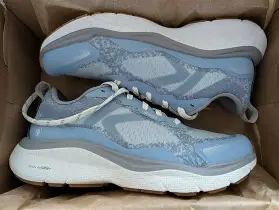
That balance of convenience and compromise is what makes a detailed review worthwhile.
Detailed Product Review and Analysis
First Impressions: Built for Utility, Not Flash
The Keen Leiki Waterproof Hiking Shoes generally fit into the category of functional outdoor footwear rather than trend-driven lifestyle shoes. The design language tends to reflect what Keen is known for: sturdy construction, visible practicality, and an emphasis on trail-ready details over sleek minimalism. That may be a positive for buyers who prioritize performance and durability, but less appealing for those seeking an ultra-streamlined city shoe.
In use, this kind of design often translates into a reassuringly solid feel. The upper typically appears structured enough to support the foot without making the shoe feel overly rigid. Reinforced toe protection, a secure lacing system, and a grippy sole are the details most users notice early. For buyers who regularly walk on mixed terrain, those elements matter more than style alone.
Fit and Comfort in Everyday Wear
Comfort is usually the deciding factor in whether a hiking shoe becomes a go-to pair or ends up sitting in the closet. The Keen Leiki Waterproof Hiking Shoes are most likely to appeal to buyers who want a stable, supportive ride rather than an ultra-soft, highly flexible sneaker feel.
On short walks, that support can feel immediately beneficial. The foot often feels more planted, especially on cracked sidewalks, packed dirt, and gravel. On longer outings, the benefit becomes even clearer: a good hiking shoe helps reduce foot fatigue by creating a more protected platform between the foot and the ground.
That said, comfort is not only about cushioning. Buyers also care about toe room, arch feel, heel hold, and whether the shoe creates pressure points after several hours of use. Keen footwear often attracts people who appreciate a roomier forefoot, and that can be especially valuable on hikes where feet swell over time. A little extra space up front may improve comfort on descents and reduce the chance of toes feeling jammed.
However, anyone with very narrow feet may want to pay attention to fit. A roomier front area can be excellent for comfort, but it does not suit every foot shape equally well. The ideal experience happens when the heel feels locked in place while the toes still have enough room to move naturally.
Waterproof Performance: Where the Shoe Justifies Its Purpose
The word waterproof carries a lot of weight in this category, and buyers are right to take it seriously. The strongest everyday advantage of the Keen Leiki Waterproof Hiking Shoes is that they help remove low-level weather stress from outdoor activity. Damp grass, shallow puddles, light rain, and muddy trail patches become more manageable when the upper is designed to block outside moisture.
For many users, this is the biggest lifestyle upgrade. Instead of planning every walk around the weather, they can move through changing conditions with more confidence. Dog walks after rainfall, family outings on muddy park trails, or travel days in unpredictable weather become less inconvenient when footwear is not the weak point.
Looking for the best Electronics deals on Amazon?
View Offers →Still, buyers should think realistically about how waterproof shoes work. They are highly useful against moisture coming from the outside, but they are not magic. If water gets in over the collar, or if feet overheat and sweat heavily inside the shoe, the experience changes. Waterproof membranes often reduce airflow compared with highly breathable mesh shoes, so there is usually a trade-off between staying dry in rain and staying cool in heat.
For cool-weather walking, shoulder-season hikes, and wet conditions, that trade-off often feels worthwhile. In very hot climates or on high-output summer hikes, some buyers may prefer a more breathable non-waterproof option.
Traction and Stability on Real Surfaces
One of the most immediate benefits of switching from casual athletic shoes to a hiking-focused model is traction. The Keen Leiki Waterproof Hiking Shoes are likely to appeal to users who need dependable grip on common problem surfaces: wet pavement, slick rocks, dirt trails, loose gravel, and uneven urban terrain.
In real use, this matters more than spec sheets suggest. Good traction improves confidence. It changes how a person walks downhill, how they step over roots, and how much attention they have to devote to every foot placement. For casual hikers, that can make the entire outing more enjoyable.
Stability is another major factor. A supportive outsole and firmer midsole often help reduce the vague, wobbly sensation that softer athletic shoes can create on rough terrain. This is particularly important for buyers carrying a daypack, walking on angled surfaces, or simply wanting a more secure stride during longer outings.
The low-cut shape does mean these shoes are not a replacement for all hiking boots. For steep, technical terrain or heavy backpacking loads, some people still benefit from more ankle structure and a more substantial platform. But for lighter hiking, travel, and day-to-day outdoor use, the lower profile may actually be the more convenient choice.
Durability and Long-Term Value
Buyers in this category care about longevity because hiking shoes are not a throwaway purchase. The Keen Leiki Waterproof Hiking Shoes make the most sense when viewed as a multi-use investment: something that can handle neighborhood walks, weekend trails, wet weather errands, light travel, and general outdoor activity.
Durability often shows up in the details. Protective overlays can help resist abrasion. Toe bumpers matter more than many people expect, especially on rocky paths or crowded travel days when shoes take repeated impacts. A well-built outsole also contributes to long-term value by holding traction and structural integrity over time.
That said, durability depends heavily on how the shoe is used. A person wearing them occasionally on maintained trails will likely have a different experience from someone using them daily on abrasive surfaces. Buyers should also remember that waterproof linings can eventually lose effectiveness with enough wear and flex. No waterproof shoe remains at peak performance forever, especially if it is constantly exposed to mud, grit, and repeated soaking conditions.
Still, when a hiking shoe serves multiple roles well, the value proposition improves. Instead of needing one pair for rainy commuting and another for easy hiking, many users can cover both needs with a single model.
What Changed After the Switch?
In practical terms, switching to the Keen Leiki Waterproof Hiking Shoes often leads to a more prepared, less reactive outdoor routine. Walks no longer need to be canceled because sidewalks are soaked. Weekend outings feel easier to commit to because the footwear can handle moderate trail conditions. Packing for a trip becomes simpler when one pair can manage sightseeing, light hikes, and wet weather.
The biggest difference is usually not dramatic performance in extreme environments. It is the removal of small annoyances. Damp socks become less common. Slippery ground feels less stressful. Uneven surfaces feel less punishing on the feet. For many buyers, those everyday gains are exactly what justify the switch.
The main drawback is equally predictable: waterproof hiking shoes can feel warmer and less airy than standard sneakers. Users who spend most of their time in hot, dry climates may not benefit enough from the waterproofing to outweigh that difference.
Pros and Cons
Pros
- Reliable weather protection: Helpful for light rain, wet grass, puddles, and damp trail conditions.
- Versatile use case: Suitable for day hikes, travel, commuting, and everyday outdoor wear.
- Better traction than casual sneakers: More confidence on gravel, dirt, and slick surfaces.
- Supportive underfoot feel: A good choice for users who want more structure and stability.
- Protective construction: Reinforced areas and trail-focused design improve durability and security.
- Potentially roomier forefoot: A plus for buyers who dislike cramped toe boxes.
Cons
- Less breathable than non-waterproof shoes: Feet may feel warmer during hot-weather use.
- Not ideal for highly technical hiking: Serious mountain routes or heavy loads may call for boots.
- Fit may not suit everyone: Buyers with narrow feet may need to pay close attention to sizing and hold.
- Waterproofing has limits: If water enters from above, the inside may take longer to dry.
- Style is more practical than fashion-forward: Better for utility-focused shoppers than trend seekers.
Comparison Table: Where the Keen Leiki Waterproof Hiking Shoes Fit
| Feature | Keen Leiki Waterproof Hiking Shoes | Typical Running Shoes | Traditional Hiking Boots |
|---|---|---|---|
| Water resistance | Strong for everyday wet conditions | Usually limited | Often strong |
| Breathability | Moderate | Usually high | Usually lower |
| Trail traction | Good for light to moderate trails | Often limited on uneven terrain | Very good |
| Weight and agility | Balanced | Lightest | Heaviest |
| Support | Moderate to strong | Varies, often softer | Strongest overall |
| Best use case | Travel, wet-weather walking, easy hikes | Road walking, gym, dry casual use | Rugged hikes, heavy loads, technical terrain |
Buying Guide: What Shoppers Should Consider Before Choosing Them
Before buying the Keen Leiki Waterproof Hiking Shoes, it helps to think less about the product name and more about actual usage patterns. The right shoe is the one that matches how a person moves through the week, not just how they imagine themselves hiking once in a while.
Looking for the best Electronics deals on Amazon?
Browse Now →1. Consider the Primary Environment
If most use will involve wet sidewalks, parks, gravel trails, and mild outdoor conditions, these shoes make strong practical sense. They are especially relevant for people who live in rainy climates or regularly encounter muddy ground. If the main environment is hot, dry pavement, the waterproof build may not provide enough benefit compared with a more breathable alternative.
2. Think About Activity Type
These shoes are best understood as versatile hikers rather than niche specialists. They are well suited to:
- Day hikes on maintained trails
- Weekend outdoor walks
- Travel that includes both city walking and nature stops
- Daily wear in wet weather
- Errands and commuting where traction matters
They are less likely to be the ideal choice for:
- Very hot-weather, high-sweat use
- Fast trail running
- Heavy backpacking
- Technical alpine terrain
3. Prioritize Fit Over Features
Even the best-designed hiking shoe fails if the fit is wrong. Buyers should pay attention to heel hold, toe room, and overall volume. Thick hiking socks can also affect sizing, so trying footwear with the type of socks intended for real use is always wise. People with wide forefeet may appreciate a roomier shape, while those with narrower feet should be careful not to assume every hiking shoe will lock down equally well.
4. Know the Trade-Off of Waterproof Membranes
Waterproof construction sounds universally positive until warm-weather comfort becomes part of the equation. Buyers should ask a simple question: is staying dry from rain and puddles more important than maximum airflow? For many people, the answer is yes. For others, especially in summer climates, breathability may matter more. The Keen Leiki Waterproof Hiking Shoes make the most sense when moisture protection is a regular need, not just an occasional wish.
5. Evaluate Sole Performance for Daily Use
Outsole grip matters not only on trails but also in ordinary life. Slippery parking lots, wet steps, broken pavement, and leaf-covered paths are common situations where better traction adds value. Buyers often focus too much on waterproofing and not enough on grip, even though traction may be the feature they notice most often over time.
6. Think About Versatility and Cost Efficiency
One of the strongest arguments for this shoe category is consolidation. Instead of owning separate footwear for rain, casual trails, and travel days, some users prefer one dependable pair that can handle all three. When the shoe truly fits a person’s routine, that versatility can make the purchase feel much more worthwhile.
Who Should Buy the Keen Leiki Waterproof Hiking Shoes?
The Keen Leiki Waterproof Hiking Shoes are a smart option for buyers who want a dependable crossover shoe: more rugged than a sneaker, less cumbersome than a boot, and capable enough for everyday outdoor use. They are especially appealing to:
- Casual hikers who stay on maintained or moderately uneven trails
- Travelers who need one pair for varied conditions
- Walkers and commuters in rainy or damp climates
- People who value traction, support, and practical protection
- Users who prefer a trail-ready shoe for everyday wear
They may be less compelling for buyers who want maximum breathability, ultralight performance, or serious backcountry boot-level support. That does not make them a weak choice; it simply means they are best when matched to the right expectations.
Conclusion
Switching to the Keen Leiki Waterproof Hiking Shoes typically leads to a more confident and convenient outdoor experience, especially in damp, unpredictable, or mixed-use conditions. Their real value lies in practicality: better traction than ordinary sneakers, more weather protection for everyday life, and enough support to handle light hiking and travel without feeling overbuilt.
They are not the perfect shoe for every climate or every trail, and buyers should go in understanding the familiar compromise of waterproof footwear: better protection, somewhat less breathability. But for the person who is tired of wet feet, underpowered grip, and casual shoes that struggle once the pavement ends, the switch often feels immediately worthwhile.
In the end, what happens after switching is rarely dramatic in the marketing sense. It is better than that. Walks become easier to plan, bad weather becomes less disruptive, and the wearer gains a shoe that is ready for more situations than a standard everyday sneaker. For many buyers, that kind of steady, useful improvement is exactly what they were looking for.